Starting a blog in 2027 might feel a bit like showing up to a party where everyone else has already eaten all the pizza and is now arguing in the kitchen about AI prompt engineering. You might wonder if anyone even reads blogs anymore when algorithms can spit out answers in half a second. The reality is simple: people still crave real experiences, genuine opinions, and human messiness. The generic “top ten tips to drink water” blogs are dead, but hyper-focused blogs run by actual humans are thriving.
The secret is picking a niche that doesn’t just satisfy your soul, but also pays your electric bill. Here is a no-nonsense guide to choosing a blogging niche in 2027 that actually makes money without boring you to tears.
1. Stop Chasing Empty Passions (Find the Sweet Spot Instead)
For years, bad internet advice told everyone to “just follow your passion.” If your passion is collecting vintage staplers from 1984, that’s great, but good luck buying groceries with the display ad revenue from the five other people on Earth who care. Passion alone isn’t a business model.
A viable niche lives at the intersection of three things:
-
Your genuine interest: You don’t need to be an obsessed fanatic, but you must find the topic interesting enough to write 60 articles about it without crying into your keyboard.
-
A specific, painful problem: People open their wallets when you solve a problem that annoys them, costs them money, or keeps them awake at 2 AM.
-
Commercial intent: The readers in this space must actually buy tools, software, gear, courses, or services.
If you love coffee, don’t write “Why Coffee Tastes Good.” Write about “High-Altitude Espresso Brewing Gear for Home Baristas.” Narrowing down transforms a vague hobby into a real destination.
2. The 2027 Reality Check: Surviving the AI Wave
Search engines and AI overviews can answer broad factual questions instantly. If someone wants to know what year the French Revolution started, they will not click your blog. You have to write what AI cannot fabricate: lived human perspective.
What Fails vs. What Prints Money
| Doomed in 2027 | Thriving in 2027 | Why It Works |
| General recipe collections | Low-FODMAP meal prep for shift workers | Solves a strict dietary pain point for a defined routine. |
| Generic tech news recaps | Hands-on long-term durability tests of solar tech | Requires physical ownership and real wear-and-tear testing. |
| Broad budget travel advice | Budget overland camper routing through Eastern Europe | Too specific and logistical for automated fluff to replace. |
| “Beginner fitness tips” | Strength training routines for remote desk workers with bad knees | Highly relatable, targeted, and sells specific ergonomic gear. |
If an automated scraper can summarize your entire post in two sentences, pick a tighter angle.
3. Test the Cash Flow Before You Buy the Domain Name
Before you spend three days agonizing over a clever blog name and buying a premium theme, you need to verify if anyone is spending cash in the niche. A niche without spending power is just an unpaid public service.
Check for Affiliate Networks
Browse platforms like Amazon Associates, ShareASale, CJ, or direct SaaS affiliate programs. Look for products that pay decent commissions. Selling a $20 book for a 4% cut means you make 80 cents; selling specialized audio gear or software subscriptions pays recurring dollars.
Look at Google Search Ads
Type your core topic keywords into Google. Do you see sponsored search ads appearing above the results? If companies are actively bidding cash to show ads for those terms, it means clicks convert into paying customers. If there are zero ads across every search term in your niche, advertisers have likely tried and abandoned it.
Examine Digital Product Potential
Ask yourself: Could I sell a template, a private community pass, an interactive spreadsheet, or a mini-guide here later? Ad revenue fluctuates wildly, but selling your own $37 checklist or workshop directly to your readers creates reliable income.
4. The “Micro-Niche” Strategy: Go Deep, Not Wide
In the early days of blogging, you could launch a “Lifestyle Blog” covering fashion, cooking, and daily musings. In 2027, launching a general lifestyle blog is the fastest way to speak into an empty void. You need to start small, dominate a corner of the web, and expand later.
A Simple 3-Step Narrowing Framework
-
Step 1: The Broad Category: Gardening. (Too crowded, competing against massive home media conglomerates.)
-
Step 2: The Specific Sub-Category: Indoor Container Gardening. (Better, but still broad.)
-
Step 3: The Micro-Niche Target: Automated Hydroponic Herb Gardens for Small City Apartments. (Bingo. You have clear equipment to review, clear space limitations to solve, and an affluent urban audience.)
Once you write 30 in-depth guides owning that tiny corner, search engines view you as an authority. From there, expanding into balcony vegetable gardening feels natural and earned.
5. Pick Your Final Candidate and Run the 48-Hour Sprint
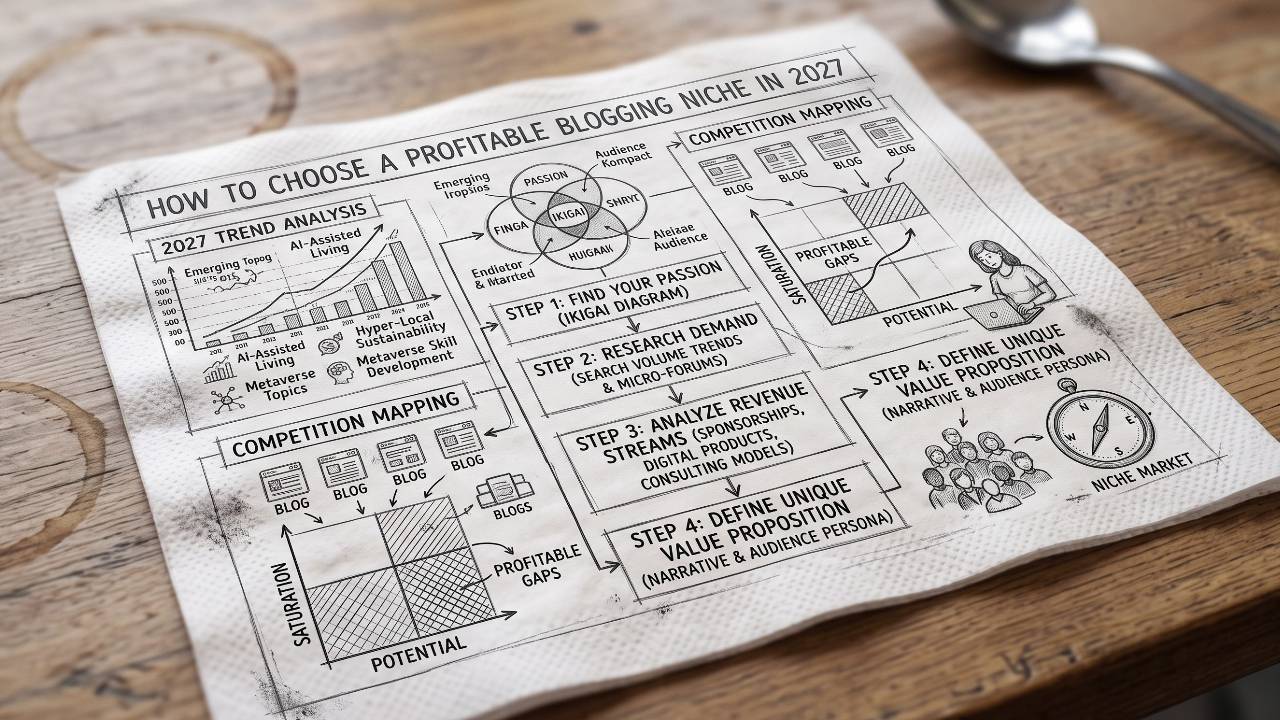
Indecision kills more blogs than bad SEO ever will. Don’t spend six months building spreadsheets to find the “flawless” topic.
Sit down today with a piece of paper and write down three topic ideas that pass the checks above. For each topic, try to draft 15 specific blog post headlines without looking at the internet.
-
If your brain stalls out at headline four, that niche is going to become a chore by week three.
-
If the ideas spill onto the page effortlessly and you already know what products or solutions you’d recommend, register your domain, set up a clean site, and start writing.
Audiences in 2027 don’t want polished corporate robots. Pick a niche where you can share real experiences, solve distinct headaches, and have a little fun along the way.